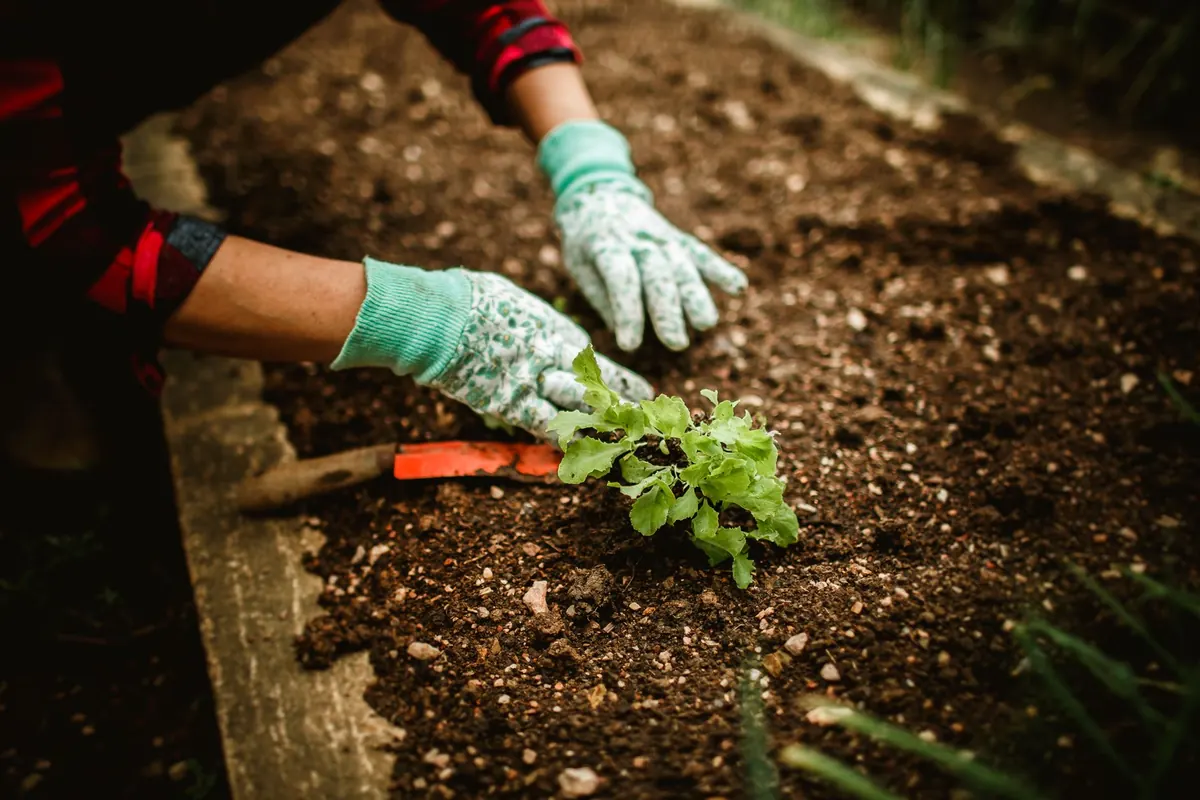
A cottage garden is never quite finished. That is the pleasure of it, and the difficulty. The loose, generous look — roses leaning over lavender, foxgloves seeding into the gravel, dahlias filling the gap where the poppies stood — comes from plants succeeding one another rather than from any single showy moment. If you want colour from the first hellebore in February to the last dahlia in October, you have to think in waves. What follows is the calendar worth keeping: what to sow, prune, divide and plant through the year. Timings assume a temperate northern-hemisphere climate; shift everything by roughly six months if you garden south of the equator.
This is the month for optimism in a cold frame. Sow sweet peas in deep pots — they resent root disturbance, so give them room from the start — and start hardy annuals such as calendula, cornflower and nigella under glass if you want them flowering early. Direct sowing outdoors can wait; the soil is still cold and wet, and seed that sulks in March rarely catches up.
Out in the garden, finish pruning shrub and climbing roses before the buds break, cutting back to a outward-facing bud and removing dead or crossing wood. Lift and divide snowdrops while they are still in leaf, replanting them immediately in generous clumps. Spread a mulch of well-rotted compost around perennials, but leave a small gap around the crowns so stems do not rot. If bare-root roses, fruit or hedging arrive, get them in now, before growth starts.
Growth accelerates and so should you. Harden off anything raised indoors by putting it outside in a sheltered spot for a few hours a day, extending the time over a week or so before planting out. Then work in drifts rather than rows — cottage gardens look best when plants tumble into each other.
Slugs are the main threat to tender new growth. A nightly torch patrol in damp weather does more than anything else, and it keeps you close to what is actually happening in the borders.
By midsummer the temptation is to sit back. Resist it. Deadhead daily — roses, geraniums, cosmos, calendula — and many will flower until the first frosts. Where a perennial has finished its first flush, cut it back by a third and water well; hardy geraniums, astrantia and nepeta will reward you with fresh leaves and a second round of flowers.
The end of May and early June is also the moment for the "Chelsea chop": cutting back one in three stems of late-flowering perennials such as sedum, helenium and phlox. It delays flowering on those stems, staggers the display and reduces the need for staking. Sow a quick catch crop of annuals now — nigella, candytuft, pot marigold — straight into gaps where bulbs and early perennials have died down. Plant out dahlias once the soil is properly warm, and feed container-grown plants fortnightly with a tomato feed once buds appear.
Late summer is the best time to sow hardy annuals for next spring. Cornflower, calendula, nigella, orlaya and ammi sown in September establish quietly through autumn and flower weeks earlier than spring-sown seed. Clear a patch, rake it to a fine tilth and scatter thinly.
Lift and divide bearded iris, hardy geraniums and primroses while the soil is warm. Replant the vigorous outer pieces and compost the woody centres. This is also the moment to order allium and autumn-planting bulbs — the good varieties sell out early — and to plant colchicums and cyclamen for flowers in the coming months.
Leave seedheads standing where you can bear it. Teasels, echinops, sedum and honesty feed birds through winter and hold the structure of the border when everything else collapses.
Bare-root season opens. Roses, hedging, fruit trees and ornamental trees planted now settle in before winter and need far less watering than spring plantings. Plant tulips in November — later planting reduces the risk of disease — and set them deep, three times their own height.
Cut back only what has collapsed and gone slimy. Hollow stems and seedheads are shelter for overwintering insects, and the garden looks better for them. Mulch empty ground with compost or leaf mould, but keep it off plant crowns. If your soil is heavy clay, work in grit and organic matter now so winter rain can drain through it.
Growth stops, but the work does not. Prune apples and pears while they are dormant, cutting out dead, diseased and crossing branches first. Prune wisteria in midwinter, shortening sideshoots to a few buds. Sharpen tools, clean pots with hot soapy water, and check stored dahlia tubers for rot.
Mostly, though, this is planning weather. Look back at photographs of the garden in July and note which gaps annoyed you. Order seed. Hellebores are opening now, and a few winter aconites or snowdrops planted near the door will earn their keep for years.
Cottage gardening rewards a light touch and steady attention more than any single technique. Keep a notebook or a phone album and jot down what flowered when — memory is unreliable by the following spring. Sow small quantities often rather than everything at once. Let the good self-seeders, such as foxgloves, nigella and calendula, move around the garden, but pull them out where they smother something better. And resist the urge to tidy in autumn; the garden will start again without your help.
Photo: Helena Lopes / Pexels
Spot genuine antique cottage furniture by reading the wood, joinery, patina, hardware and price — and learn the...
Choose the right herbs, prep a box that drains properly, and a windowsill can supply fresh leaves all winter — even...

Two pantry-friendly methods — stovetop simmer pots and homemade linen sprays — fill a cottage with warm bakery...

Cozy cottage living, decorating, and inspiration.