
An old cottage in winter is honest about itself. The wind finds the gap under the back door you never noticed in June, and the sitting room that felt generous in August develops a cold corner behind the armchair. None of this is a fault in the house. It is a list of small jobs, and most of them cost very little. Work through the twelve points below over a couple of weekends, starting wherever the draught is worst, and a leaky old place becomes one of the warmest kinds of home there is.
You cannot seal a house you have not listened to. On a windy day, walk from room to room with the back of your hand held close to the edges of doors, windows, skirting boards and the chimney breast. Your hand will pick up movement your ankles have been complaining about for weeks. A candle moved slowly along a door frame will flicker where the cold air is getting in — keep the flame well clear of curtains, and never use one to test around a fireplace, stove or gas appliance.
Once you know where the air enters, the remedies are usually cheap:
Old sashes rattle because the frame has dried and shrunk, not because the glass is thin. Replace cracked putty and loose panes first; no amount of draught strip helps a pane that moves in its frame. Then add the narrowest brush or silicone seal that still lets the sash run smoothly — thick foam will stop the window opening altogether come spring. For the worst offenders, temporary secondary glazing film, stretched taut with a hairdryer, makes a real difference for very little money and peels off in April. Close internal shutters at dusk, and if a room is rarely used, shut the door but leave a vent clear.
Thresholds are where cottages lose most of their heat. Fit a brush seal to the bottom of the door and check that the door itself still shuts without scraping. External doors benefit from a weather bar and, if the frame is uneven, a slim compression seal rather than a thick sticky strip that peels off in a month. A heavy curtain on a door that opens straight into a cold hall works as well as anything.
A caution worth repeating: draught-proofing is not the same as sealing a house airtight. Rooms with an open fire, a wood stove or a gas appliance need permanent ventilation, and air bricks and vents must stay clear. Fit a carbon monoxide alarm if you burn anything indoors. If anything about your chimney, flue or gas appliances is uncertain, ask a qualified sweep or engineer.
A single layer of thin cotton across a window is decoration. Three qualities turn curtains into something structural: width, length and lining. Choose a generous width — roughly one and a half to twice the window — so the fabric hangs in folds, because it is the trapped air between folds that insulates. Add a thermal lining, or stitch an old wool blanket behind curtains you already own. Take them to the floor where you can; a curtain that stops at the sill leaves a cold cascade running down the wall behind it.
Then deal with the edges, where most of the benefit is lost. A pelmet, or simply a track fitted close to the ceiling and tight to the wall, stops warm air slipping behind the fabric. Overlap the two panels in the middle by a hand's width: the gap between them lets cold air down exactly where you sit. Close the curtains at dusk and open the ones that catch morning sun. Keep all fabric clear of heaters, stoves and open flames, and never drape curtains over a radiator.
Cold arrives in two ways in an old cottage: through gaps, and off cold surfaces. Stone flags and bare boards take heat from your feet faster than any radiator can replace it. A wool rug with a proper felt or wool underlay does more for comfort than its size suggests, and layering a smaller rug on a larger one in a sitting room is both practical and forgiving of uneven floors. Hall runners and a mat inside the front door catch the worst of it.
Above floor level, treat textiles as part of the heating system. Keep a basket of wool throws beside the sofa so blankets get used rather than admired. A sheepskin on a wooden chair turns a draughty corner into the best seat in the house. For the coldest weeks, layer the bed: brushed cotton sheets, a wool blanket under or over a duvet, and a folded blanket at the foot. A blanket placed under the bottom sheet takes the chill off an old mattress. Check electric blankets and their wiring before use, and fill hot water bottles with hot rather than boiling water, always inside a cover, especially for children or anyone with reduced sensation.
Do not attempt all twelve in one go. Start with the two or three draughts you feel most, because those give the quickest return, then move to curtains, then to textiles. The aim is not an airtight house. It is a house that holds its warmth long enough for the fire, the cooking and the company to matter more than the temperature.
Keep a note of what you
Photo: Doralin Tunas / Pexels
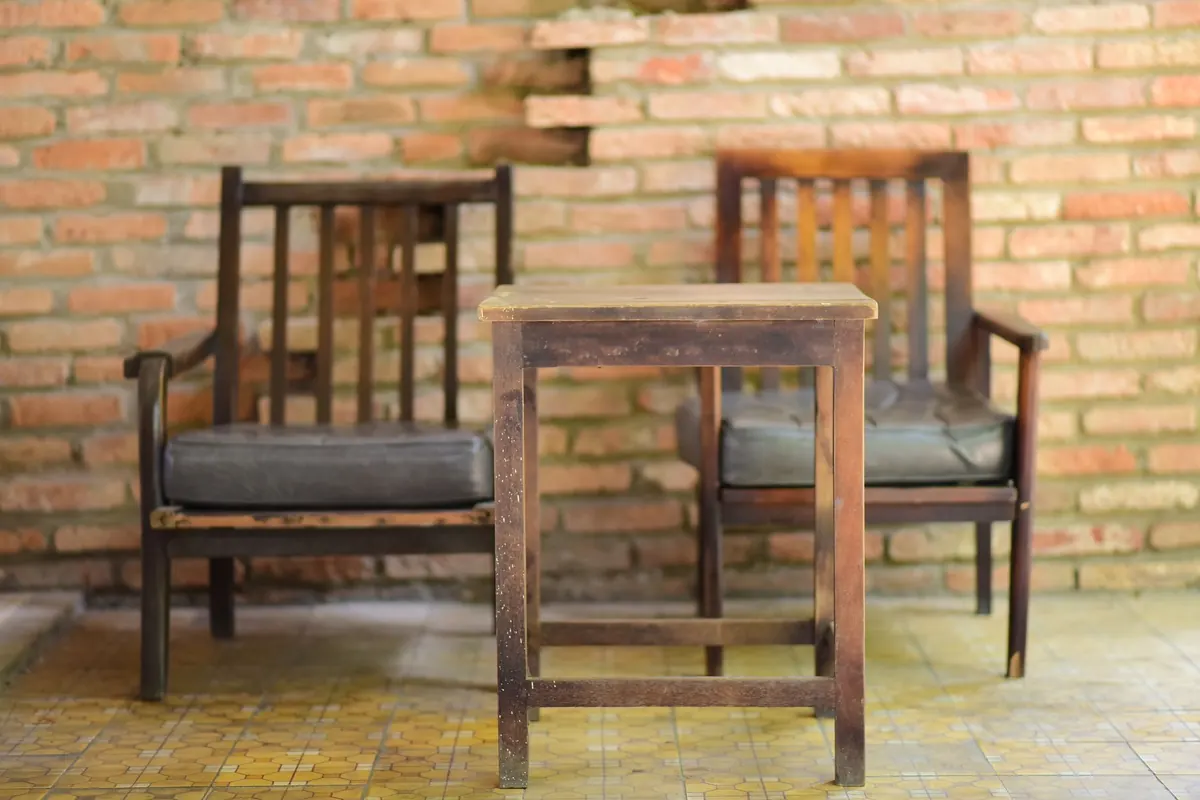
Spot genuine antique cottage furniture by reading the wood, joinery, patina, hardware and price — and learn the...

Choose the right herbs, prep a box that drains properly, and a windowsill can supply fresh leaves all winter — even...

Two pantry-friendly methods — stovetop simmer pots and homemade linen sprays — fill a cottage with warm bakery...

Cozy cottage living, decorating, and inspiration.