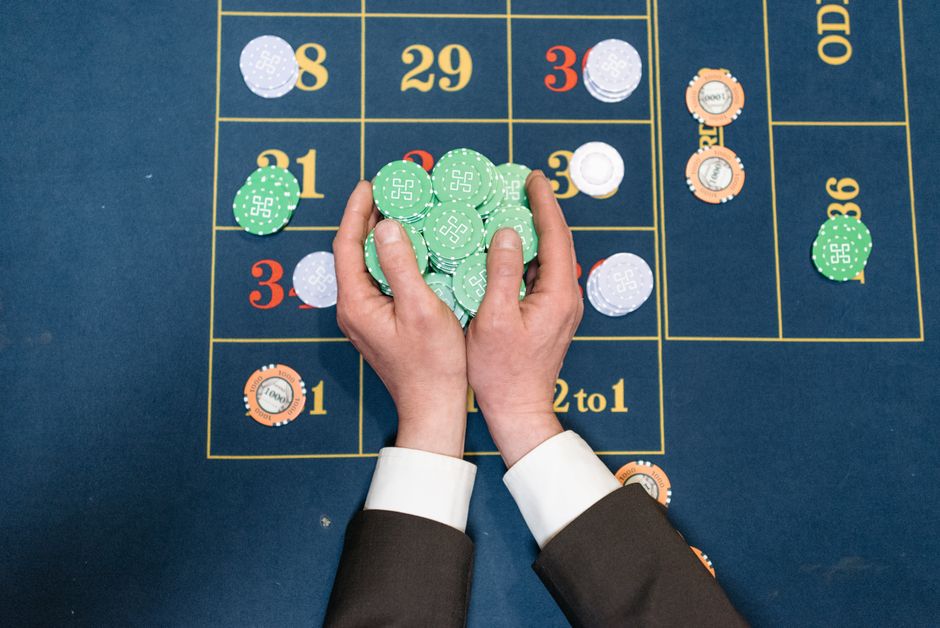
Most players lose not because the games are rigged, but because they treat a $200 deposit like a $2,000 one. Walk into any casino floor or open any poker lobby and you'll see it within five minutes: someone chasing a slot jackpot on their last $20, someone buying into a cash game with money they needed for rent. The house edge is real, but it's slow. Bad bankroll management is fast. It's the difference between an entertaining hobby you can sustain for years and a brutal week that sours you on gambling entirely.
This isn't a lecture about quitting. It's a practical breakdown of how winning players and long-term recreational gamblers actually structure their money, and why those habits look almost nothing like what the average punter does on a Friday night.
The single most important rule in gambling isn't about odds, strategy, or picking the right slot. It's about defining a pool of money that is genuinely expendable and never, ever crossing that line. Not "I'll pay myself back on payday." Not "I'll stop if I lose." An actual, hard boundary.
Practically, that means treating your gambling budget like a subscription or entertainment expense. Set aside, say, $150 a month for slots and live betting, the same way you'd budget for cinema tickets or a night out. When it's gone, it's gone until next month. This sounds almost insultingly simple, but ask ten friends how they actually fund their casino accounts and at least seven will admit to topping up on impulse.
The deeper logic here is that gambling should be funded from surplus, never from essentials. The moment your rent money is on a blackjack table, you're not gambling anymore, you're panicking, and panicking players make terrible decisions.
Professional poker players and serious sports bettors operate on bankroll percentages rather than fixed amounts. The principle is straightforward: If this is new to you, L'Avenue Dubai is a sensible next read.
Why does this matter so much? Variance. Even a genuinely profitable sports bettor will hit losing runs of 8, 10, sometimes 15 bets in a row. If each of those bets was 20% of your roll, you're gone long before your edge has a chance to show up. If each was 2%, a brutal stretch is annoying, not fatal.
For slots, hardcore players tend to ignore this concept, and that's a mistake. Slot volatility varies enormously. A high-volatility slot might pay 1,000x but only once every 300 spins on average. If your session budget is $20 at $2 a spin, you have ten spins to hit that rare event, which is statistically hopeless. Drop to $0.20 a spin and suddenly you have 100 spins, a much fairer crack at it.
Chasing is the number one emotional leak in gambling, and it spans every discipline. It's the slot player doubling their bet after a bad run. It's the sports bettor throwing a desperate accumulator on a late Sunday game. It's the poker player calling off three streets with middle pair because they're stuck.
The fix isn't willpower alone, it's structure. Build in rules that remove the decision from your emotional brain:
Stop-losses feel restrictive until you've had one of those sessions where you walk away $200 down instead of $600 down. Then they feel like armour.
Poker deserves its own section because it's the one form of gambling where skill can genuinely overcome the house, provided your bankroll can survive the swings. A serious cash game player typically wants 20-40 buy-ins for the stake they're playing. So if you're sitting at $1/$2 no-limit with a $200 maximum buy-in, a reasonable bankroll is anywhere from $4,000 to $8,000. That sounds huge to casual players, but it's the buffer that lets you survive a 15 buy-in downswing without changing your game.
Tournament players need even more, often 50-100 buy-ins, because tournament variance is savage. A winning tournament player might cash in only 15% of events and make the final table in 1-2%. Without a deep roll, you'll bust before your ROI has time to matter.
The practical takeaway: if you can't afford the buy-ins, play lower stakes. It's humbling, but it's far better than being the guy who plays above his roll and steam-raises every time he loses a cooler.
The gamblers who last tend to use tracking tools, and not because they're obsessives. Simple spreadsheets or apps that log deposits, withdrawals, and session results reveal patterns you'd never spot from memory alone. You'll notice, for example, that your Sunday night sessions are consistently profitable but your Friday post-pub sessions are consistently brutal. That's actionable information.
Equally useful is separating your gambling account from your regular bank account entirely. Deposit a fixed monthly amount, play from that account, and withdraw any profits you want to keep. Never keep a card linked to your main account on an active casino site. Friction is your friend here: the harder it is to deposit impulsively at 2am, the less often you'll do it.
Finally, use site tools. Deposit limits, loss limits, session reminders and reality checks exist for a reason. Set them yourself, at a calm moment, before you need them. A loss limit of $200 that you configured yourself on Tuesday will save you on Friday.
No bankroll strategy makes losing fun, and none of it turns a negative EV game into a money printer. Slots and casino games carry a house edge that no amount of discipline can erase. What bankroll management actually does is something more modest and more valuable: it keeps you in the game long enough for good luck to matter, and it stops one bad night from becoming a story you regret telling.
Players who treat gambling as entertainment spend, structured and bounded, typically get years of enjoyment out of it. Players who treat it as a shortcut to money they need usually get a lesson. The house doesn't need to beat you. Given enough time and no structure, you'll beat yourself.

Every slot player has a story about a machine that was "due" to pay out. Maybe it was the one in the corner that...
For years, iGaming operators chased complexity. Slot studios piled on mechanics like Megaways, expanding reels, and...
Spot genuine antique cottage furniture by reading the wood, joinery, patina, hardware and price — and learn the...

Cozy cottage living, decorating, and inspiration.
